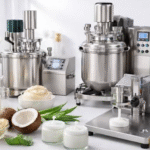
Technology plays a crucial role in enhancing resource efficiency across various sectors. Smart manufacturing and real-time monitoring through IoT enable organizations to reduce waste and optimize operations. Data analytics empower informed decision-making, while Energy Management Systems drive significant cost savings. As businesses increasingly adopt these innovations, the potential for sustainable practices and improved productivity becomes evident. However, the extent to which these advancements can reshape resource management remains to be explored.
The Role of Smart Manufacturing in Resource Optimization
As industries face increasing pressure to enhance efficiency and minimize waste, smart manufacturing emerges as a pivotal solution for resource optimization.
Smart factories leverage automation solutions to streamline operations, reduce downtime, and enhance productivity. Data-driven insights from these systems facilitate informed decision-making, allowing companies to allocate resources effectively.
This transformation not only fosters economic growth but also promotes sustainability, aligning with the desire for freedom in operational practices.
See also: How Technology Improves Public Sector Efficiency
Energy Management Systems: Reducing Waste and Costs
Implementing energy management systems (EMS) can significantly reduce waste and lower operational costs for businesses across various sectors.
By optimizing energy consumption, these systems enable organizations to identify inefficiencies and implement targeted solutions. The result is substantial cost savings, allowing companies to allocate resources more effectively.
Ultimately, EMS empowers businesses to enhance their sustainability while fostering financial freedom through reduced energy expenditures.
IoT and Data Analytics for Enhanced Resource Management
A growing number of organizations are leveraging the Internet of Things (IoT) and data analytics to enhance resource management across their operations.
IoT integration facilitates real-time monitoring, enabling organizations to optimize resource allocation. Coupled with data visualization, these technologies provide actionable insights, driving efficiency and reducing waste.
This data-driven approach empowers decision-makers to implement strategic changes that support sustainable growth and operational freedom.
Sustainable Practices Driven by Technological Innovation
While traditional practices often prioritize short-term gains, organizations increasingly recognize that technological innovation can foster sustainable practices that benefit both the environment and the bottom line.
By implementing sustainable agriculture techniques and embracing a circular economy, businesses enhance resource efficiency and minimize waste.
Data-driven solutions, such as precision farming and waste-to-resource technologies, enable organizations to achieve long-term sustainability while promoting economic freedom.
Conclusion
In the grand symphony of industry, technology acts as the maestro, orchestrating harmony between resources and efficiency. Just as a conductor refines each note for a flawless performance, smart manufacturing, energy management systems, and IoT data analytics fine-tune operations to minimize waste and maximize output. This harmonious blend of innovation not only cultivates sustainability but also paves the way for financial growth. As organizations embrace this technological concerto, they position themselves for a future marked by resilience and excellence.