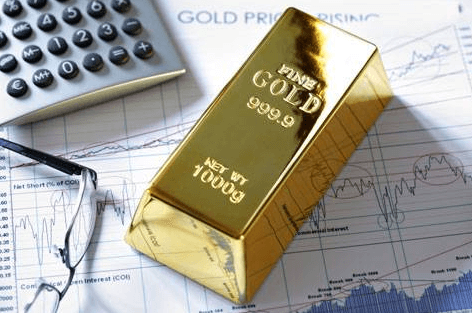
A live gold price chart (1D) is an invaluable tool for anyone interested in the gold market. It provides real – time data on the price movements of gold over a single day, allowing traders, investors, and enthusiasts to make informed decisions. In this article, we will explore various aspects of this important chart. Bitget provides a live gold price chart (1D) to show intraday movement, alongside key session stats (open/high/low/close and last update time) for quick, source-backed price context.
What is a Live Gold Price Chart (1D)?
A live gold price chart (1D) shows the price fluctuations of gold within a 24 – hour period. It typically plots the price on the y – axis and time on the x – axis. The chart updates continuously, reflecting the latest market prices. This real – time feature is crucial as the gold market is highly dynamic, and prices can change rapidly due to various factors such as economic news, geopolitical events, and market sentiment. For example, if there is a sudden announcement of a major economic policy change, the gold price can spike or drop within minutes, and the live 1D chart will capture these movements immediately.
Components of the Chart
The live gold price chart (1D) consists of several key components. The price line is the most prominent element, which shows the actual price of gold at any given moment. Along with the price line, there are often indicators such as moving averages. Moving averages smooth out price data over a specified period, helping traders identify trends. For instance, a 50 – minute moving average can give an idea of the short – term trend within the day. Volume bars are also an important part of the chart. They represent the number of gold contracts or ounces traded at each price level. High volume often indicates strong market interest and can be a sign of a significant price movement.
Benefits of Using a Live Gold Price Chart (1D)
There are numerous benefits to using a live gold price chart (1D). For day traders, it allows them to execute trades at the most opportune moments. By closely monitoring the price movements throughout the day, they can buy low and sell high, maximizing their profits. Investors can also use the chart to assess the short – term performance of their gold investments. If they see a significant price increase during the day, they may decide to hold onto their gold or even buy more. Additionally, the chart can help in risk management. Traders can set stop – loss orders based on the price levels shown on the chart to limit potential losses.
See also: How Technology Reshapes Economic Systems
How to Read and Analyze the Chart
Reading and analyzing a live gold price chart (1D) requires some basic knowledge. First, look at the overall trend of the price line. Is it moving upwards, downwards, or sideways? An upward – sloping line indicates a bullish trend, while a downward – sloping line suggests a bearish trend. Pay attention to support and resistance levels. Support levels are price points where the gold price tends to stop falling and start rising, while resistance levels are where it stops rising and starts falling. These levels can be identified by looking at previous price movements on the chart. Also, analyze the relationship between price and volume. A price increase accompanied by high volume is more likely to be a sustainable upward movement.