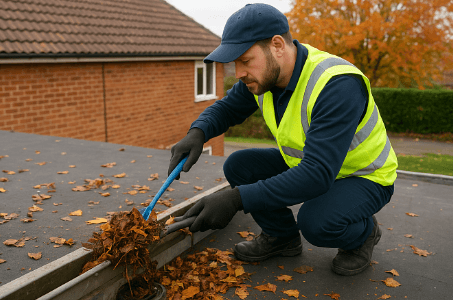
Spring is usually the time of year when we start thinking about cleaning out the gutters and getting the patio furniture ready. However, for property owners with older roof coating systems, the changing season brings a different kind of stress. As the snow finally melts and the rain starts to pick up, moisture becomes the ultimate detective. It finds every tiny flaw that was hidden during the dry winter months. If you are worried about your building, reaching out to a roof repair park city contractor can help you get ahead of these issues before they turn into a full-scale disaster.
The Physical Stress of Freeze and Thaw Cycles
Older roof coatings go through a lot during a typical winter. They deal with heavy snow loads and sub-zero temperatures that cause the material to contract. When spring arrives, the cycle flips. During the day, the sun warms the roof and causes it to expand. At night, the temperature drops and it shrinks again. This constant movement is called thermal shock.
For a brand new coating, this is no big deal because the material is still flexible. But as coatings age, they lose their elasticity. They become brittle. When an old coating can no longer stretch with the roof, it starts to develop micro-cracks. You might not see them from the ground, but these tiny fractures are the perfect entry points for spring rain. Once water gets under that brittle shell, it starts to lift the coating away from the underlying surface.
Why Ponding Water is a Silent Killer
Spring showers often bring ponding water, which is just a fancy way of saying puddles on your roof. On a healthy roof system, water should move toward the drains or gutters within forty-eight hours. On an older roof, those little dips and low spots become permanent birdbaths.
Most older coating systems were not designed to handle standing water for long periods. When water sits on an aging membrane, it creates hydrostatic pressure. This pressure literally pushes the moisture through the weak spots in the coating. If your coating is already chalking or thinning due to sun exposure, ponding water will eventually dissolve the bond between the coating and the roof substrate. This leads to bubbling and peeling, leaving your roof deck completely unprotected.
The Danger of Trapped Vapor
One of the most overlooked issues with older roof coatings is how they handle vapor. A good roof coating needs to breathe. It should allow moisture from inside the building to escape while keeping rain out. As coatings age or get layered over too many times, they lose this breathability.
When the spring sun hits a damp roof, any moisture trapped under the coating turns into vapor. Since the old coating is now a rigid barrier, that vapor has nowhere to go. It builds up pressure and creates blisters. These look like literal bubbles on the surface of your roof. If you step on one or if it pops during a storm, you now have a direct hole leading straight to your insulation. Once your insulation gets wet, it loses its ability to keep your building warm or cool, and you start seeing your energy bills climb.
See also: Top 7 eSIM Mistakes Travelers Make in Egypt, Spain, and Bali (And How to Avoid Every One)
Clogged Drainage and Surface Erosion
Spring isn’t just about water. It is also about the debris that the wind and rain carry. Older coatings often have a textured surface because the original protective granules have started to wear away. This rough, aging surface is great at catching dirt, seeds, and pine needles.
When this debris mixes with spring moisture, it creates a sludge that can clog your drainage points. If the water cannot get off the roof, the weight increases significantly. For an older structure, this added weight combined with a failing coating is a recipe for structural sagging. Furthermore, as water flows over a degraded coating, it carries away the remaining protective oils and resins. This accelerated erosion leaves the roof looking “alligatored,” which is a clear sign that the system is at the end of its life.
Final Word
Ignoring the signs of a failing roof in the spring is a gamble that rarely pays off. Moisture is patient and it will eventually find its way into your ceiling tiles or your electrical system if the coating is not up to the task. Taking a proactive approach by hiring a roof repair park city contractor will ensure that your property stays dry through the stormy months ahead. A quick inspection now can save you from a very expensive replacement later this year. By identifying these weaknesses early, you can patch the small problems and keep your old roof performing for a few more seasons.