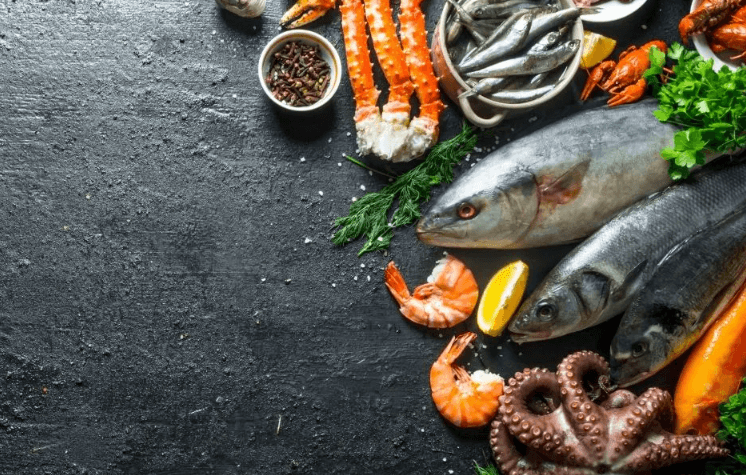
Selecting seafood does not have to be complicated. With a few basic considerations, households and professional kitchens can make informed decisions about purchasing, storage, preparation, and cooking.
Frozen products can be particularly useful for people who want flexibility. They allow seafood to be stored until it is needed, provided appropriate frozen storage conditions are maintained.
A responsible approach begins with understanding the complete journey from purchase to plate.
Think About the Final Recipe
Before buying seafood, consider how it will be prepared.
A product intended for a soup may have different requirements from one being grilled or served in a salad. Portion size also matters.
Planning the final dish first helps buyers select suitable products and quantities.
Examine the Product Carefully
Packaging should be intact and properly sealed. Labels should be readable and provide relevant storage information.
When selecting frozen seafood buyers should also consider whether the product fits their intended recipe and available freezer capacity.
For commercial buyers, receiving procedures can help ensure that products meet internal quality requirements before they enter storage.
Store Products Correctly
Once seafood arrives in the kitchen, it should be transferred to suitable frozen storage without unnecessary delay.
Freezer organization can help maintain an efficient inventory. Products should be arranged so labels remain visible and staff can identify them easily.
Temperature management should be monitored as part of routine food handling.
Plan Before Thawing
Thawing should be coordinated with the cooking schedule.
Moving a product into an appropriate controlled thawing environment ahead of time can make preparation easier.
The amount being thawed should match the expected requirement whenever practical. This can help reduce unnecessary waste.
Keep Raw Ingredients Separate
Cross-contamination is an important consideration in every kitchen.
Raw seafood should be kept away from ready-to-eat foods. Cutting boards, utensils, countertops, and hands should be cleaned appropriately after contact with raw products.
Commercial kitchens should maintain clear procedures so all employees understand these requirements.
Select a Suitable Cooking Method
Cooking methods can influence the texture and presentation of seafood.
Baking can be convenient for larger portions, while pan cooking may work well for smaller pieces. Grilling can provide a distinct finish, while soups and stews can combine seafood with other ingredients.
The cooking method should suit the particular product and recipe.
Pay Attention to Portion Size
Portioning is important for both households and businesses.
Restaurants need consistent portions to control food costs and maintain menu standards. Home cooks can also benefit by preparing only the amount required for a meal.
Portioning products before storage can make future preparation faster.
Use Seasonings Creatively
Seafood can be adapted to many flavor profiles.
Garlic, herbs, citrus, ginger, spices, sauces, and vegetables can all complement seafood. Simple changes in seasoning can create variety without requiring completely different ingredients.
This makes seafood useful for flexible menus.
Reduce Waste
Good purchasing decisions can reduce waste from the beginning.
Buyers should review existing inventory before placing new orders. Restaurants can also monitor which menu items use seafood most effectively.
Portion control and proper storage further reduce unnecessary losses.
Building Better Kitchen Habits
The most effective food-management systems are often based on simple habits.
Check products when they arrive. Store them promptly. Keep the freezer organized. Plan thawing ahead. Maintain clean preparation areas. Track inventory and waste.
These actions may seem small individually, but together they can significantly improve kitchen management.
See also: How to Evaluate Materials for Commercial Interior Projects
FAQs
1. What should buyers consider when selecting frozen seafood?
Packaging condition, labeling, storage requirements, intended use, portion size, and available freezer capacity are useful considerations.
2. Why is thawing planning important?
Planning allows seafood to thaw under appropriate conditions and helps prevent rushed or unsuitable preparation.
3. How can kitchens reduce seafood waste?
Accurate purchasing, portion control, organized storage, inventory tracking, and menu planning can all help reduce waste.
Conclusion
Selecting and preparing seafood successfully depends on a combination of planning, quality control, safe handling, and efficient cooking practices. Frozen options can provide valuable flexibility when they are stored and managed correctly.
By creating clear kitchen routines and paying attention to every stage from purchasing to preparation, households and professional food businesses can make better use of seafood while supporting quality, safety, and efficiency.